Nursery textiles · Fabric care
Naturepedic Cotton Weaves: Comparing Muslin and Waffle for Nursery Use
Cotton can take many forms, from airy, open-weave muslin to the raised, grid-like texture of waffle cloth. Understanding how those constructions differ helps families choose nursery textiles that fit their routines, climate, and care preferences—while keeping infant sleep spaces clear and safe.
In a nursery, fabric is more than a finishing touch. A blanket may be carried from room to room, folded into a stroller bag, or washed after an ordinary day of spills and snuggles. Its weave influences how it feels in the hand, how it folds, and how it behaves when used as a supervised layer outside an infant’s sleep space. Two familiar cotton constructions—muslin and waffle weave—offer noticeably different experiences.
Naturepedic’s organic cotton textiles make a useful starting point for considering those differences. Its muslin swaddles are described as two layers of organic cotton, while its waffle blankets use a textured weave designed to balance a soft, substantial feel with airflow. These descriptions can guide a comparison, but they are not a substitute for checking the exact product label, dimensions, and care instructions. Products with similar names may be made for different uses, and care details can vary by item.
The most useful question is not which fabric is universally better. It is which textile better matches the task at hand. A lightweight muslin swaddle and a more textured waffle blanket can both have a place in a home, but their construction, feel, and practical handling are distinct. Neither fabric, by itself, makes a loose blanket appropriate for an infant’s sleep space.
How weave changes the feel of cotton
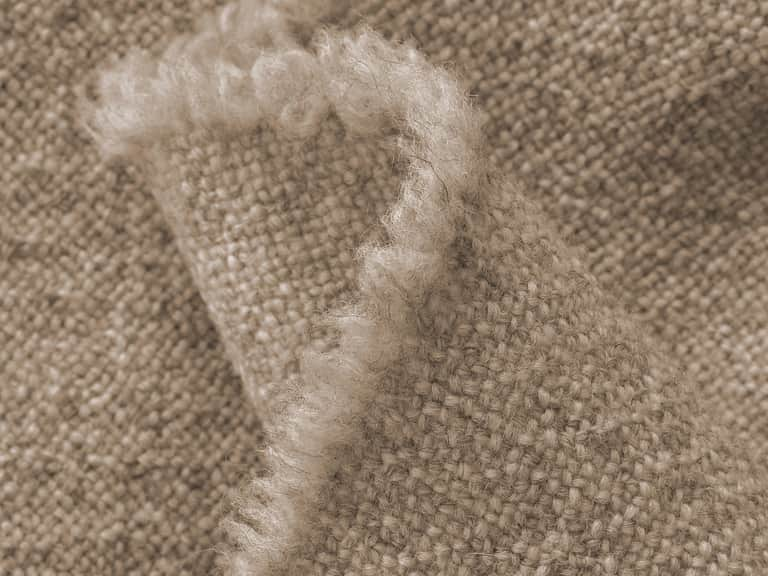
Muslin is a plain-weave cotton fabric. Its threads cross in a simple pattern, often leaving a relatively open, airy surface. The word “muslin” covers a broad family of fabrics rather than one precise weight or thickness, so one muslin product may feel very different from another. The number of layers, yarn thickness, finishing, and overall dimensions all matter.
Naturepedic’s organic muslin swaddle set, for example, is described as having two layers of organic cotton and measuring about 47 by 47 inches. Its open weave and layered construction offer a light, flexible textile that can be folded or wrapped when used in an appropriate, supervised context. The product description also lists other possible uses, such as a burping cloth or nursing cover. Caregivers should follow the product’s instructions and use a textile only in ways that are safe for the baby’s age and situation.
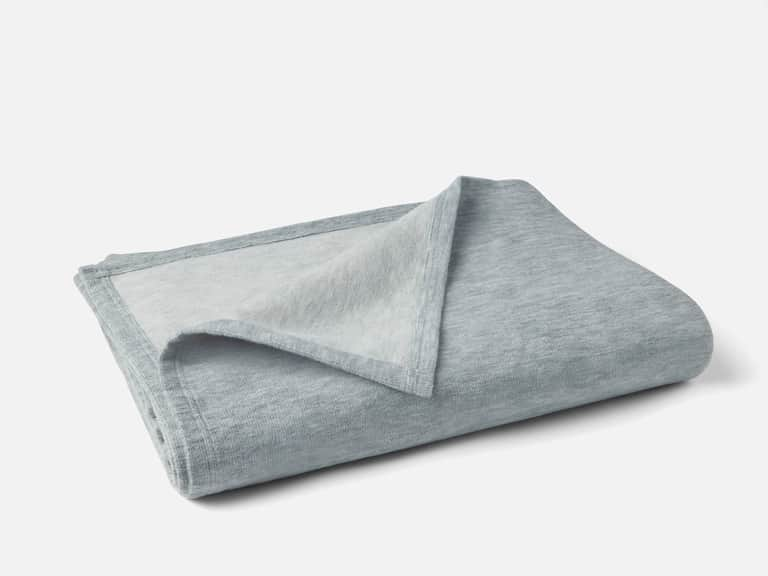
Waffle weave is recognizable by its raised cells and recessed channels, which create a three-dimensional surface. The pattern gives the cloth texture and can make it feel more substantial than a smooth, thin weave of comparable size. Naturepedic’s organic cotton waffle baby blanket is described as lightweight and breathable, with a textured surface and approximate dimensions of 30 by 40 inches. That smaller format may be convenient for supervised cuddling or outings, but it does not make the blanket suitable as loose bedding during infant sleep.
In both fabrics, the word “breathable” describes a textile characteristic, not a guarantee against overheating or a substitute for safe-sleep practices. Room temperature, clothing, layering, and the child’s individual needs also influence comfort. A fabric label should be read as product information, not as medical or safety advice.
Muslin: open, flexible, and easy to fold
Muslin’s appeal often begins with its lightness. It can fold into a compact bundle, making a swaddle blanket convenient to keep in a diaper bag or near a changing area. Its open structure can give it an airy feel, while multiple layers add softness and substance without turning it into a heavy textile. These qualities may be useful in households that value a versatile cotton layer for supervised, everyday tasks.
Because the weave is open, muslin may have a relaxed, slightly crinkled appearance. A pre-washed finish can give the fabric a softer hand from the beginning, and repeated washing may change its feel further. Cotton fibers commonly become more supple with laundering, although the result depends on the yarn, weave, finishing, detergent, water conditions, and drying method. Avoid assuming that every muslin item will soften in the same way or that a product will keep its original dimensions exactly after repeated washing.
A generously sized swaddle can be folded in several ways, but its size does not determine whether a particular swaddling method is right for a baby. Caregivers should follow current pediatric guidance and product instructions, and stop swaddling when the baby shows signs of attempting to roll. A loose blanket should never be left in an infant’s sleep area. For current recommendations, consult authoritative guidance from organizations such as the American Academy of Pediatrics and local health professionals.
Muslin’s adaptability can also mean it is used for several jobs throughout the day. That makes laundering frequency worth considering. If one blanket is regularly used for feeding, carrying, and supervised cuddling, it may need washing more often than a textile reserved for occasional use. Having a small rotation can make it easier to keep clean fabric available without rushing a wash or using an item before it is fully dry.
Waffle cotton: raised texture and a little more structure
Waffle cotton has a distinctly tactile surface. The raised grid can feel soft and cushioned, while its recessed areas add visual depth. In a nursery, this texture may appeal to caregivers looking for a blanket that feels more substantial in the hand than a very light muslin layer. Waffle construction can also create a fabric that folds differently: it may take up more space than a thin, single-layer cloth, depending on the product’s weight and size.
Naturepedic’s waffle baby blanket is described as a small, portable cotton blanket with a textured weave. Its product information says it is pre-washed and becomes softer with laundering, and gives care directions to machine wash warm and tumble dry low, with no ironing or bleach. These instructions apply to that specific product description; another waffle textile may have different requirements. Always use the care label attached to the item in hand.
The waffle pattern’s surface is sometimes associated with airflow because of its raised-and-recessed construction. Yet a weave alone cannot establish that a blanket is suitable for a particular sleep situation. Infant sleep guidance remains clear: keep loose blankets, pillows, and other soft items out of a baby’s sleep space. Use a firm, flat sleep surface with a fitted sheet, and place the baby on their back, following current recommendations from trusted health authorities.
Waffle blankets can be useful away from sleep, such as for supervised snuggling or as a clean layer in a caregiver’s lap, provided the textile is used with attention and never obstructs a baby’s face or breathing. When an infant is unattended or placed down to sleep, remove loose fabric from the area. A soft texture is pleasant, but it is not a reason to relax safe-use boundaries.
Comparing the two for everyday nursery routines
Choosing between muslin and waffle begins with the task. Muslin is often the more compact, flexible option when a caregiver wants a lightweight textile that can fold small and serve several supervised purposes. Waffle cotton may suit someone who prefers a more textured, substantial-feeling blanket for holding a baby while awake. These are practical distinctions, not rules: a particular muslin may be dense, and a particular waffle blanket may be quite light.
| Feature | Muslin cotton | Waffle cotton |
|---|---|---|
| Surface | Typically plain and open, often with a relaxed or crinkled appearance | Raised grid texture with distinct cells and channels |
| Hand feel | Often light and flexible; layers affect softness and substance | Textured and potentially more substantial in the hand |
| Packing | Usually folds compactly, depending on size and number of layers | May occupy more space, depending on weave, weight, and dimensions |
| Care | Follow the item’s label; drying and washing temperatures vary | Follow the item’s label; textured construction may have specific instructions |
| Infant sleep | Neither loose muslin nor waffle blankets should be placed in an infant’s sleep space. | |
Dimensions deserve special attention. Naturepedic’s cited muslin swaddles are approximately 47 inches square, while its waffle baby blanket is approximately 30 by 40 inches. A larger textile offers more material to fold, but it may also be more cumbersome to manage. A smaller blanket may be easier to carry, yet still must be kept out of an infant’s sleep space. Consider whether the size is practical for the intended supervised use and storage routine rather than assuming that “baby blanket” describes one standard measurement.
Climate and indoor conditions matter, too. A home that stays warm may call for lighter clothing and fewer layers, while a cooler outing may require a different plan. Avoid using a blanket as a substitute for monitoring a baby’s comfort or following professional advice. When uncertain about temperature, clothing, or a health concern, ask a pediatric clinician rather than relying on fabric descriptions alone.
Organic cotton and what a certification can tell you
“Organic cotton” refers to how the cotton fiber is produced under a specified standard; it does not, on its own, describe the fabric’s thickness, softness, or intended use. Two organic cotton blankets can feel very different because their yarns, construction, finishes, and number of layers differ. For that reason, compare the full product specification, not just the fiber name.
Some textiles carry third-party certifications. Naturepedic’s product descriptions identify its muslin and waffle items as GOTS-certified organic cotton. The Global Organic Textile Standard (GOTS) sets criteria covering organic fibers and aspects of processing and production. Certification details should be checked against the product’s current documentation and the certifier’s published scope. A certification can provide useful information about a supply chain, but it is not a claim that the item prevents illness, guarantees comfort, or is appropriate for every use.
Caregivers may also look for clear information about dyes, finishes, country of origin, and care. These details can help families understand what they are buying and how to maintain it. If a baby has a diagnosed skin condition or a suspected textile sensitivity, discuss material choices with a qualified health professional. “Natural” and “organic” are not substitutes for individualized medical guidance.
Washing, drying, and keeping texture in good condition
Nursery textiles are part of a high-use environment. A reliable care routine helps remove everyday soil and can preserve the fabric’s feel over time. Begin by sorting according to the care label, color, and fabric weight. Fasteners, rough items, or garments with hooks may snag a delicate weave. Use the temperature, cycle, and drying method specified by the manufacturer rather than applying one blanket rule to all cotton.
- Read the label first. The instructions on the specific blanket take priority over general advice. Product descriptions and labels can differ.
- Wash like items together. Separating light and dark colors can reduce unwanted color transfer, while avoiding overfilled loads gives fabric more room to move.
- Use detergent thoughtfully. Follow the detergent directions and rinse thoroughly. If a baby has known sensitivities, seek advice from a clinician and choose household products accordingly.
- Choose a suitable drying method. Excessive heat can affect cotton dimensions and texture. Follow the label’s guidance for air-drying or tumble drying.
- Check seams and edges. Look for loose threads, damaged hems, or signs of wear before each use. Stop using a damaged textile around a baby.
- Store only when fully dry. A dry, clean storage place helps keep fabric fresh between uses.
Muslin can become softer with washing, and waffle cotton may retain a tactile surface as it is laundered, but the outcome depends on the exact construction and care. Avoid bleach or ironing unless the manufacturer permits it. For Naturepedic’s described waffle baby blanket, the care notes specify warm machine washing, low tumble drying, and no bleach or ironing. The muslin swaddle product description also lists warm machine washing and low tumble drying. Confirm those directions on the item itself before laundering.
Families who wash a favorite textile frequently may benefit from keeping a clean spare available. This is a practical way to accommodate drying time and reduce the temptation to use a damp item. It also makes it easier to inspect the textile between washes, especially around edges and seams that experience repeated handling.
Safe use is separate from fabric choice
The most important distinction in nursery bedding is between comfort during supervised, awake time and the contents of an infant’s sleep space. A soft cotton weave does not change safe-sleep recommendations. The American Academy of Pediatrics advises that babies sleep on their backs on a firm, flat surface designed for infant sleep, with a fitted sheet and no loose bedding or soft objects. Follow current guidance from your health authority and your child’s clinician, since recommendations and circumstances can change.
Keep blankets, pillows, quilts, stuffed items, and positioners out of the sleep space. Do not drape a blanket over a stroller, carrier, or other equipment in a way that blocks airflow or view of the baby; use only products as instructed by their manufacturers. A textile used for supervised comfort should be removed when the baby is placed down to sleep or left unattended.
Swaddling is a separate practice with specific safety considerations. If a caregiver chooses to swaddle, the wrap must not restrict the hips or cover the face, and it should be discontinued when the baby shows signs of trying to roll. Never use a weighted swaddle or weighted blanket for an infant unless a qualified health professional has provided specific guidance. Check current recommendations rather than relying on a product description or online anecdote.
These precautions are not a judgment on a family’s choices. They are a clear boundary that helps keep a nursery’s soft textiles in appropriate contexts: in arms, in supervised care, and away from an infant’s unattended sleep surface.
A simple decision guide
Before choosing a muslin or waffle cotton textile, consider a short set of practical questions. The answers can narrow the options without turning a fabric purchase into a safety decision it cannot make.
- What is the intended use? Choose a textile for supervised, awake-time care, carrying, or another clearly specified purpose—not as loose infant bedding.
- How often will it be washed? Frequent-use items benefit from clear, manageable care instructions and a convenient rotation.
- What size is useful? Compare the item’s actual dimensions with the way it will be folded, stored, and carried.
- Which texture feels right? Muslin is typically open and flexible; waffle has a raised grid. Personal preference and the baby’s supervised comfort matter.
- What does the label say? Check fiber content, certification claims, country-of-origin details, and washing instructions.
- Is the textile in good condition? Inspect it for loose threads, damaged edges, or other wear before use.
The bottom line
Muslin and waffle cotton are two ways of shaping a simple fiber into very different nursery textiles. Muslin tends to be airy, flexible, and easy to fold; waffle weave brings a raised texture and a more structured feel. Naturepedic’s organic cotton examples illustrate how layer count, weave, dimensions, and care directions can distinguish products even when they share the same basic material.
For families comparing these fabrics, the best choice is the one that fits a clearly defined supervised use, can be cared for according to its label, and feels practical in the household’s climate and routine. Organic certification and thoughtful construction may inform a purchasing decision, but no blanket should be treated as infant sleep equipment. For sleep, follow current safe-sleep guidance and keep loose textiles out of the baby’s sleep space.