Nursery textiles · Materials and care
Coyuchi Nursery Textiles: How Weaves Shape Everyday Care
A blanket’s weave is more than a pattern. It influences how fabric feels in the hand, how it drapes, how it moves air, and how it responds to washing. For caregivers, those small material choices become part of ordinary life: a layer carried in a stroller, a surface for supervised play, or a textile washed after a spill. Understanding construction and care helps families choose nursery fabrics with realistic expectations—and use them safely.
Start with the job the textile needs to do
Nursery textiles are often chosen for their appearance: a calm color, a pleasing texture, or a finish that fits the room. But everyday usefulness depends just as much on function. Where will a blanket be used? How often is it likely to need washing? Does the caregiver want a lightweight layer that folds easily, or a more substantial fabric for use outside the crib? Answers to these questions make it easier to compare textiles without assuming that one weave is best for every family.
Fabric construction affects the experience of a blanket, but it does not make the blanket a safe sleep surface. In particular, a soft or breathable-feeling textile should never be treated as a reason to place loose bedding in an infant’s sleep space. The American Academy of Pediatrics recommends keeping loose blankets and other soft objects out of an infant’s sleep area. For sleep, follow current safe-sleep guidance from your child’s healthcare provider and recognized public-health authorities. A blanket can have useful roles outside the crib, such as supervised floor time or a stroller layer when appropriate, but those uses should not be confused with unattended sleep.
This distinction is central to choosing nursery bedding. Material qualities—softness, weight, texture, and washability—describe how a textile behaves. Safe use depends on context, the child’s age and abilities, the setting, and current guidance. Product descriptions cannot replace those considerations.
What a weave changes
Yarn becomes fabric through construction. In a woven textile, yarns cross one another in an organized pattern; in a knit, loops interlock. The resulting structure helps determine a fabric’s surface, flexibility, drape, and weight. Finishing processes—such as washing, brushing, or adding a stitched edge—can further change the way a textile feels and performs.
It is useful to think of weave as one part of a larger material picture. Fiber content matters. So does yarn thickness, density, finishing, and the way a product is cared for. Two blankets made from cotton, for example, may feel noticeably different if one is a smooth woven cloth and the other is a plush chenille. A texture that seems substantial in the hand is not automatically warmer or more breathable in every room; the whole construction and the conditions of use matter.
When evaluating nursery fabric, look beyond a single adjective. “Soft” is a subjective description, while a stated fiber content, dimensions, construction, and care label offer more concrete information. If a product description leaves a practical question unanswered—such as whether a fabric can be machine washed—consult the manufacturer before buying or laundering it.
Honeycomb: raised texture and an open-looking structure
Honeycomb fabric is recognized by a repeating, dimensional surface. The pattern creates small ridges and recesses that give the textile visual depth and a tactile character distinct from a flat, smooth weave. Depending on its yarns and density, a honeycomb blanket may feel light and airy or more substantial. The name alone does not tell you exactly how warm, heavy, or open the finished fabric will be.
In nursery settings, textured cotton can be appealing because it offers a different hand-feel from plain fabric and adds detail without relying on a printed design. A cotton honeycomb blanket may suit caregivers looking for a layer that feels structured yet is not visually busy. Before choosing one, check its dimensions and intended use, then consider whether its care instructions fit the household’s laundry routine.
Texture also deserves a practical inspection. Check the finish around the edges, examine the fabric for loose threads, and follow the maker’s instructions for washing and drying. As with any textile used around a baby, stop using an item if it becomes damaged or develops loose parts. More importantly, tactile interest does not make a blanket suitable for an infant’s unattended sleep space.
Chenille: a plush surface with a different feel
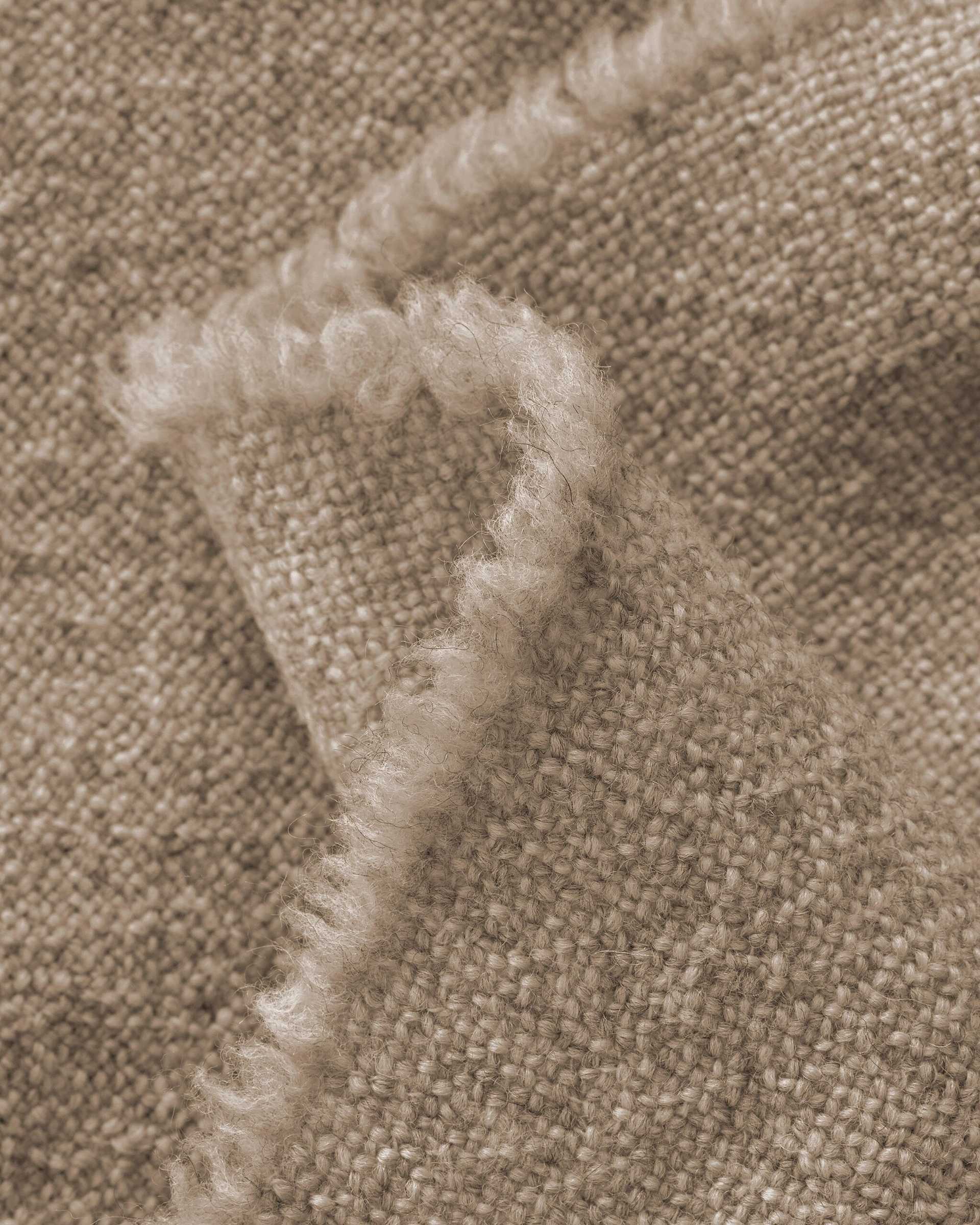
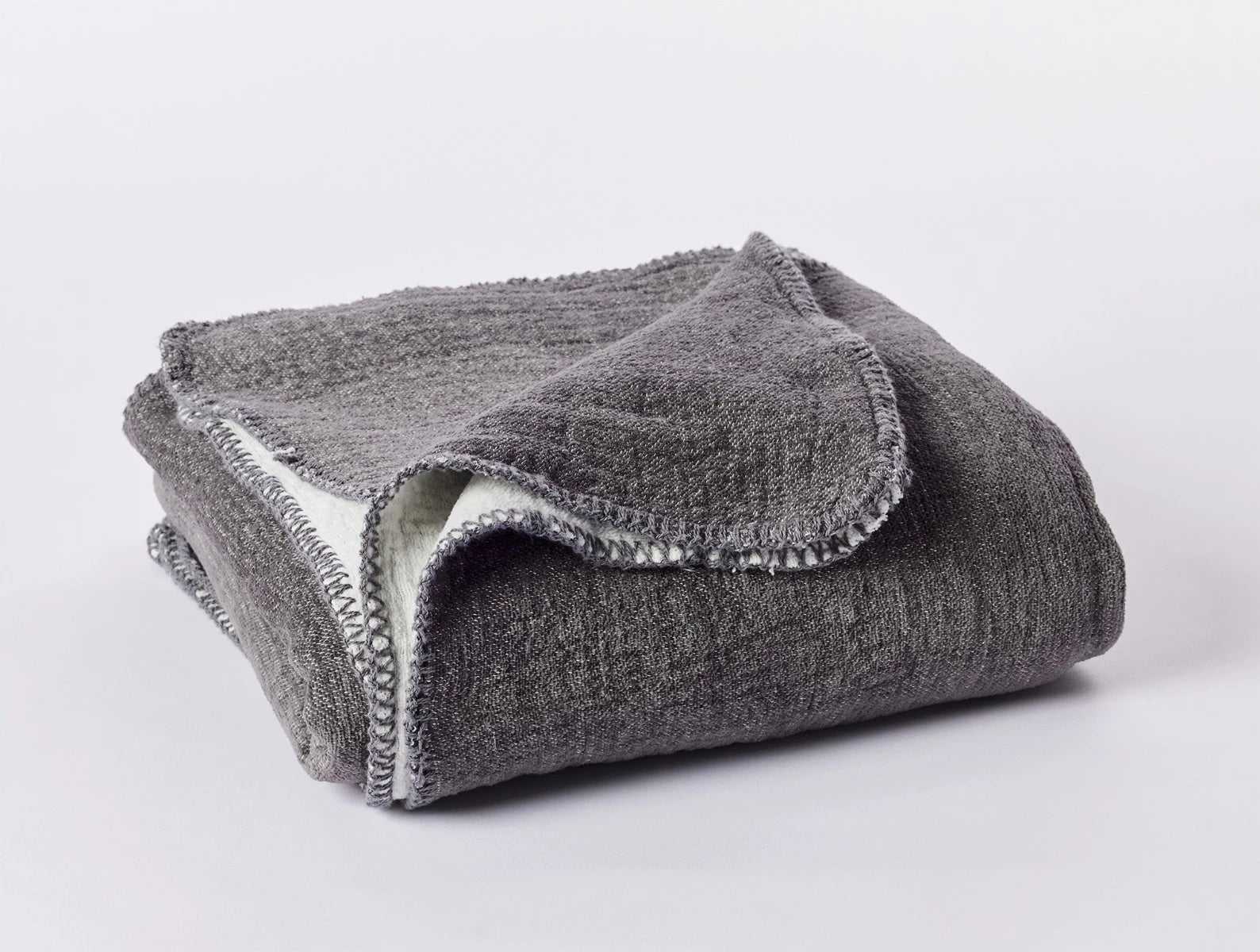
Chenille is known for its soft, velvety surface. The yarn construction gives the fabric a plush appearance and a fuller feel than many smooth cotton cloths. That can make a chenille baby blanket inviting for supervised cuddling, a caregiver’s lap, or other awake-time uses. The surface is part of its appeal, but it also means the care label deserves close attention: the way a plush textile is washed and dried can affect its texture and appearance.
The Cozy Cotton Organic Baby Blanket is described as a chenille-feel blanket made from 100% organic cotton, with fiber grown in Turkey and fabric woven in Germany. It is prewashed, finished with chunky blanket stitching, and reverses to soft white. These details give shoppers a useful starting point for evaluating the item: the stated fiber, its construction, the reversible finish, and its everyday-care claims. The product information also describes it as machine washable; caregivers should still follow the current care label supplied with the blanket.
In practice, a plush surface can feel different from a crisp or open-textured weave, even when the fiber is the same. That is why “cotton” by itself is not a complete guide to feel. If a family prefers a smoother, lighter hand, a chenille finish may not be the first choice. If a soft, tactile surface is appealing for supervised use, it may be worth comparing the fabric in person when possible. Individual preferences vary, and no texture should be presented as a substitute for safe-sleep practices.
Weight, airflow, and the room around the fabric
Words such as “breathable” and “lightweight” are common in textile descriptions, but they need context. Airflow is affected by the fabric’s structure, fiber, density, layers, and how the textile is positioned. A loosely structured material may allow more air to pass through than a dense one, but a product’s feel alone cannot establish how it will perform in every situation. Nor does a breathable construction make loose bedding appropriate for an infant’s sleep area.
Weight matters for comfort and handling. A lighter blanket may fold into a bag more easily and feel less cumbersome during a supervised outing. A heavier-feeling textile may provide a more substantial layer for a caregiver to use in a suitable setting. Neither quality is inherently superior. The right choice depends on the intended use, local climate, temperature, and the needs of the person caring for the child.
Layering is another reason to be deliberate. Several textiles used together can change warmth and bulk quickly. Rather than relying on a blanket’s marketing language, consider the environment and the manufacturer’s directions, and dress a baby appropriately for the conditions. For sleep, use a safe sleep setup rather than adding loose blankets. When in doubt about temperature, clothing, or an infant’s comfort, ask a healthcare professional who can advise on the child’s specific circumstances.
Care labels are part of the design
A nursery blanket may be washed frequently, so care instructions are not a minor detail. They are part of the textile’s practical design. A machine-washable item may fit a household that wants straightforward routine care; a textile requiring dry cleaning may call for less frequent use or a different place in the home. Neither care approach is automatically better, but the maintenance should be realistic for the people who will use it.
Before the first wash, read the care label and check whether the instructions differ from a general description online. When washing is permitted, sort items by color and fabric type, use the recommended temperature and cycle, and avoid harsh treatments unless the care label allows them. Do not assume that all cotton blankets can be treated identically: construction and finishing influence how a specific textile should be handled.
Drying deserves equal attention. Heat can affect dimensions, surface texture, and stitching. Use the settings stated by the manufacturer and remove items promptly if the instructions recommend it. If a blanket is intended to reverse to a contrasting color, washing it with compatible colors may help preserve its appearance. These simple steps can reduce avoidable wear while keeping care aligned with the product’s materials.
For stains, respond in a way that suits both the fabric and the care label. Blotting a fresh spill may be gentler than aggressive rubbing, but the appropriate approach depends on the stain and textile. Avoid applying a stain remover or bleach without confirming that it is suitable. If the label is missing or unclear, contact the maker rather than guessing—especially for a textile with a plush or textured finish.
A simple inspection routine
Regular inspection helps caregivers notice wear before it becomes a problem. Check the blanket’s edges and seams, look for thinning or holes, and make sure there are no loose threads or detached decorative elements. Pay particular attention after laundering, when changes in shape or finish may be easier to see. Retire a damaged item from use around a baby rather than trying to repair it in a way that could leave loose parts or rough edges.
- Read the label: Confirm the fiber content, washing instructions, drying method, and any restrictions on care.
- Match fabric to task: Decide whether the textile is for supervised cuddling, a stroller outing, nursery decoration, or another use.
- Inspect construction: Look over hems, seams, and surface texture for damage or loose components.
- Wash as directed: Use the cycle and temperature recommended for that particular textile.
- Keep sleep guidance separate: Never rely on a textile’s softness or claimed breathability to justify loose bedding in an infant’s sleep space.
This routine does not need to be complicated. A brief check while folding laundry can help families keep textiles in good condition and decide when an item is no longer suitable for use.
Organic claims and the details behind them
Families who are interested in organic fibers should look for clear, product-specific information. A description may identify a fiber as organic, but that statement is not the same as a named third-party certification. Certifications have defined scopes and criteria, and their relevance depends on what has been certified. When certification is important to a purchasing decision, check the label or the manufacturer’s current documentation for the exact claim and its scope.
Origin details can also help shoppers understand a supply chain, but a country of origin alone does not prove a particular environmental or social outcome. Look for precise statements about the fiber, where it was grown or processed, and any verified standards. Avoid treating broad terms such as “natural,” “clean,” or “eco-friendly” as substitutes for specific evidence.
These distinctions are useful beyond baby blankets. Nursery textiles are part of a larger household system: they are produced, transported, washed, repaired, and eventually replaced. Choosing an item that suits a family’s real routines—and caring for it according to its instructions—can be a practical way to extend its useful life. It is not necessary to buy a particular material or finish to create a calm, welcoming nursery.
Choosing by texture, not by trend
Honeycomb, chenille, smooth cotton, and other constructions offer different sensory and practical qualities. A raised weave may bring structure and visual pattern; chenille may feel plush; a flatter cloth may be easier to fold compactly. These observations are starting points, not guarantees. Products made from the same fiber can differ according to yarn, density, finish, and care.
When possible, feel a fabric before buying it. Notice whether the surface is smooth, ridged, fuzzy, or firm. Consider how much space it takes when folded, whether the size makes sense for the intended use, and whether the laundry instructions are manageable. If shopping online, rely on the specifications and care details rather than assuming that a name such as “waffle” or “organic” tells the whole story.
Finally, choose a textile for the way it will actually be used. A beautiful blanket that requires care a household cannot maintain may spend more time stored away than in use. A straightforward cotton layer may be the better fit for a family that values uncomplicated washing. Good nursery design is not a contest in softness or a catalogue of fashionable textures; it is a thoughtful balance between material, care, setting, and safety.
The lasting value of everyday care
Weave can seem like a small detail beside the larger work of caring for a baby. Yet textures and finishes shape how a blanket feels to the hand, how easily it folds, and how it behaves in the laundry. Understanding those differences helps caregivers choose with more confidence and fewer assumptions.
For any nursery textile, the most useful questions are simple: What is it made from? How is it constructed? How should it be washed? What is it intended to do? And is that use consistent with current infant-safety guidance? When those answers are clear, a blanket can become a practical part of daily family life—used thoughtfully, cleaned as directed, and kept separate from an infant’s safe sleep space.
Safety note: This article is general educational information, not medical advice. Follow current safe-sleep recommendations from the American Academy of Pediatrics and your local public-health authority, and consult your child’s healthcare provider with individual questions.