Introduction: The Quiet Power of Organic Fibers
The crib is a small universe where warmth, breathability, and safety converge. In this quiet space, materials matter as profoundly as the routines that shape a baby's sleep. Organic crib bedding emphasizes natural fibers and minimal processing, prioritizing delicate newborn skin and the ecological footprint of the textiles we entrust to caregivers. The rise of certifications and stricter manufacturing standards reflects a broader cultural shift toward transparency, sustainability, and health without sacrificing comfort.
Among the most common choices are muslin and waffle-weave cottons, often in breathable, multi-layer constructions designed to regulate temperature and reduce irritants. Organic certification—most notably GOTS (Global Organic Textile Standard)—becomes more than a label; it is a signal that the fabric has journeyed through a controlled process that respects environmental and social criteria. In the cradle-to-bed narrative of a baby’s early years, the fibers that touch the skin matter as much as the lullabies that soothe.
Materials and Their Ethos: What to Look For
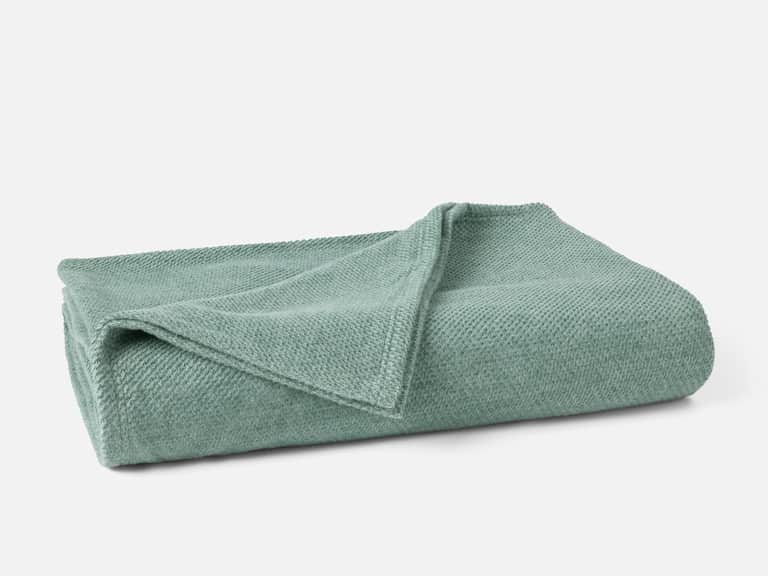
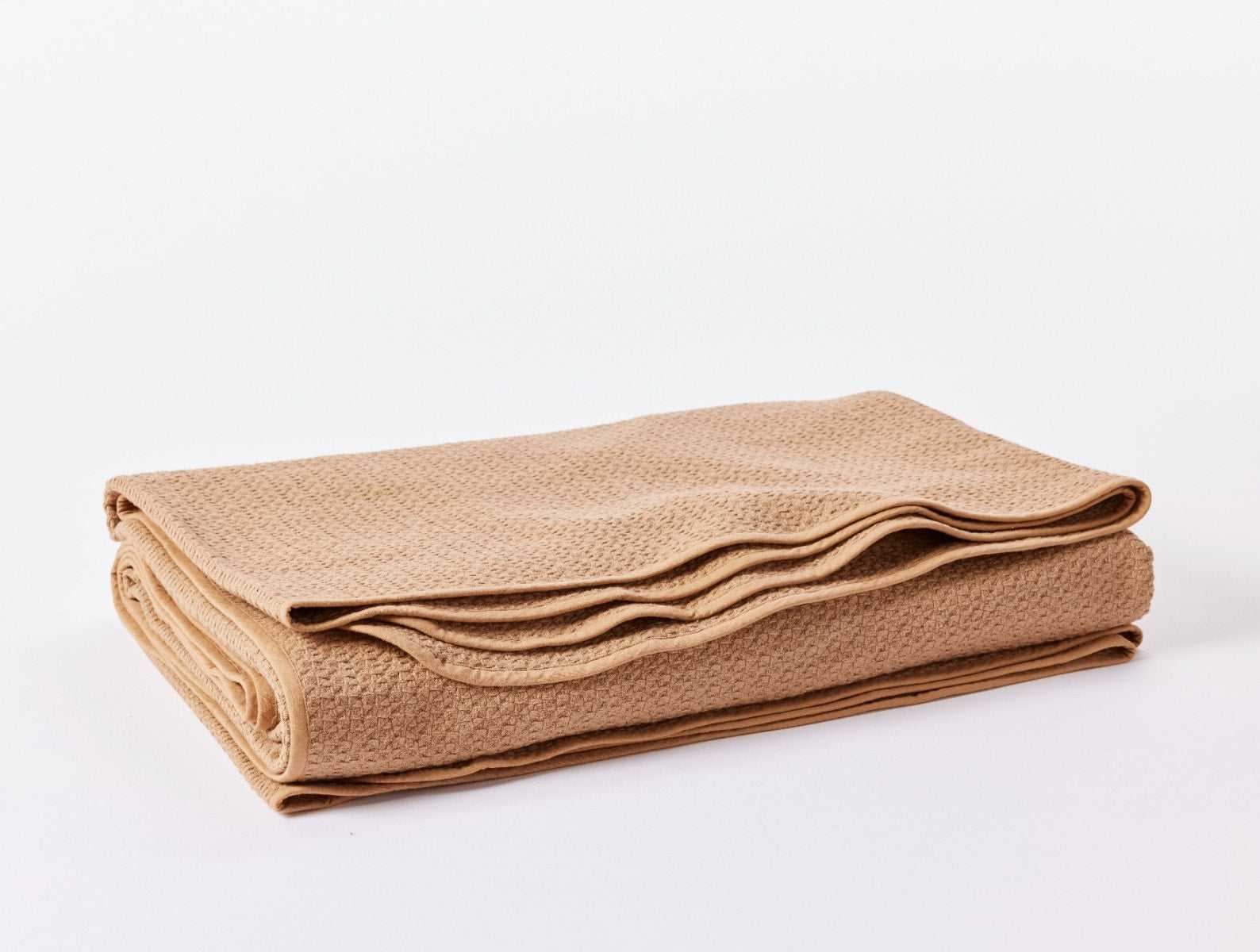
Organic crib bedding is most often cotton-based, with muslin, knit, and waffle textures serving both tactile and functional roles. Muslin blankets—soft, airy, and open-weave—offer breathability that can help prevent overheating during warm months, while a waffle-knit layer acts as a versatile midweight option that adapts to seasonal shifts. Organic cotton itself, grown with reduced pesticide use and processed with minimal chemical intervention, stands at the core of many reputable lines.
Beyond cotton’s cradle-rights, some brands explore blends that retain breathability without sacrificing softness, including cotton-wool and cotton-mohair-like blends for lighter warmth. When you encounter a blanket described as “organic,” the crucial question is whether the entire supply chain—the farming, the yarn, the weaving, the dyeing, and the finishing processes—meets a recognized standard such as GOTS. The presence of a credible certificate suggests that the product adheres to a holistic standard, including restricted use of flame retardants and controlled emissions.
The contemporary market also invites us to consider Made Safe certifications, Fair Trade certifications, and regional textile certifications that further inform a blanket's safety and ethical footprint. The convergence of such standards with year-round wearability creates a practical framework for choosing products that support both baby health and parental peace of mind.
Brand Snapshots: What Distinguishes Notable Organic Lines
The cradle of organic bedding is filled with brands that translate the science of textiles into everyday comfort. Naturepedic and Coyuchi are two brands frequently cited by parents and editors alike for their explicit commitment to organic fibers and transparent manufacturing practices. Naturepedic’s muslin and cotton offerings are designed to minimize chemical exposure while maintaining a soft, accessible texture. Coyuchi’s blankets—woven in India and finished in Portugal—offer a tactile spectrum from textured jacquard to smooth matelassé weaves, all under a GOTS-certified umbrella.
Downtown Company’s textiles bring classic warmth with a modern sensibility: herringbone and waffle patterns produced in Portugal with long-staple cotton. Their pieces emphasize durability and a clean, timeless aesthetic that pairs well with contemporary nurseries. Each brand’s approach—certification depth, weave textures, and care requirements—serves as a lens through which parents can judge quality and safety.
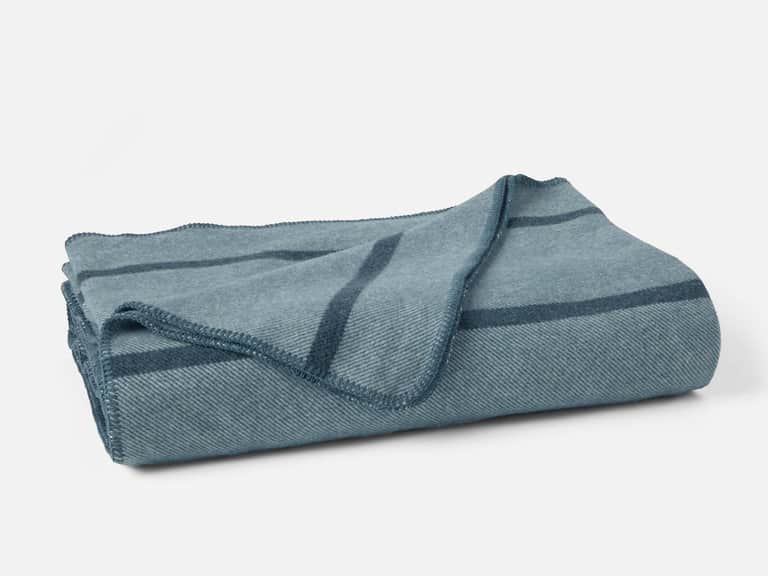
The selection below highlights a notable example, the Sequoia Washable Organic Cotton and Wool Blanket, which blends 70% organic cotton with 30% organic wool and is machine washable. Its ethical sourcing and German weaving, combined with a double-needle edge, illustrate how a blanket can be both robust and gentle to touch, offering warmth without compromising care routines.
A Practical Checklist for Evaluating Organic Bedding
- Certification: Confirm GOTS or equivalent organic certification across the full supply chain (farm, yarn, weave, dye, finishing).
- Materials and Weave: Prioritize breathable cotton fabrics (muslin, percale, gauze) and textures (honeycomb, waffle, matelassé) that support air circulation and a comfortable touch.
- Safety and Care: Ensure the bedding is flame-retardant-free, and check that dyes are non-toxic, with clear care instructions for machine washing and drying that suit busy households.
- Layering Strategy: Consider a simple layering approach—base organic sheet, a breathable blanket, and an optional swaddle or coverlet—so the baby’s sleep environment remains adaptable across seasons.
- Durability: Look for pre-washed fabrics that become softer with washing and a sturdy edge treatment (like turned hems or binding) that withstands frequent laundering.
A well-chosen organic crib bedding ensemble is not just a product; it is a quiet, steady companion to the baby’s early nights, a tactile reminder of safety and care that mothers, fathers, and caregivers carry through each day.